

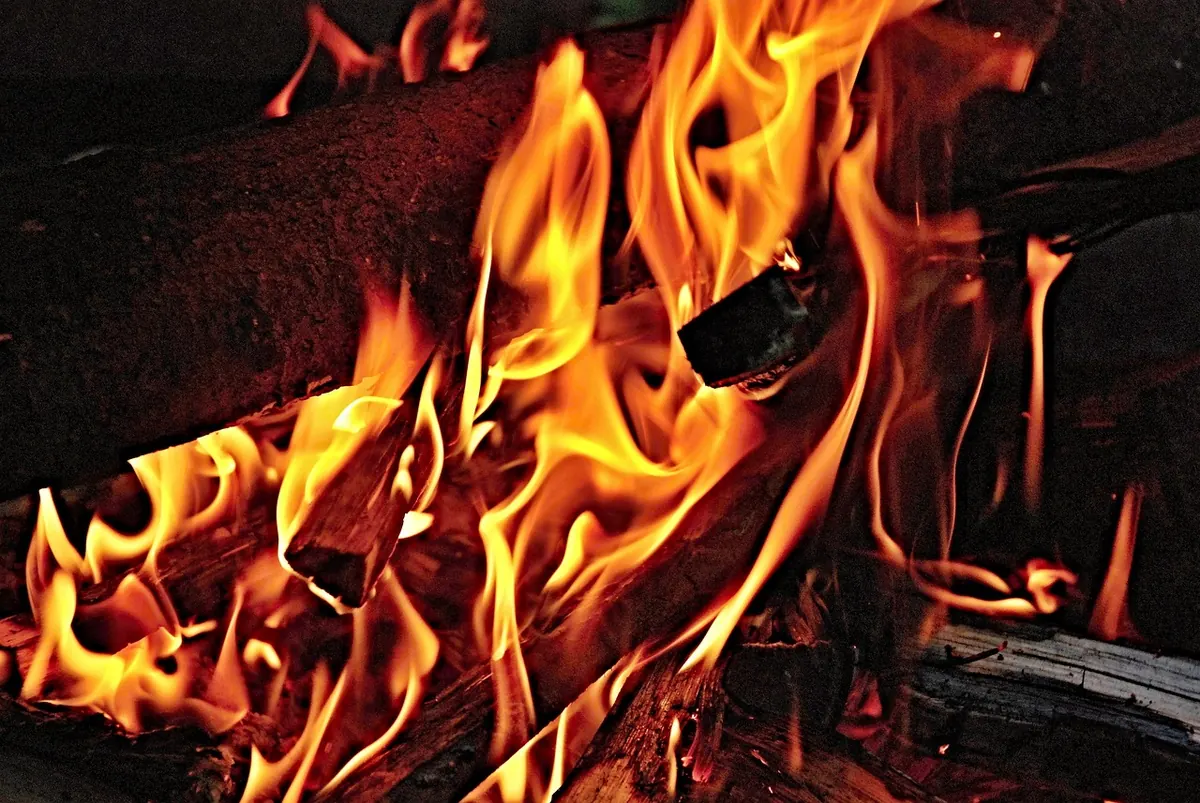
A fire that lights easily and burns with barely a wisp of smoke is not a matter of luck. It comes down to three things: dry fuel, plenty of air at the start, and heat applied where it counts. Get those right and the fire does the rest, drawing steadily up the chimney instead of hazing up the room.
Here is the method from a cold hearth to a settled bed of embers, along with the habits that keep it safe and predictable.
Start With the Right Fuel
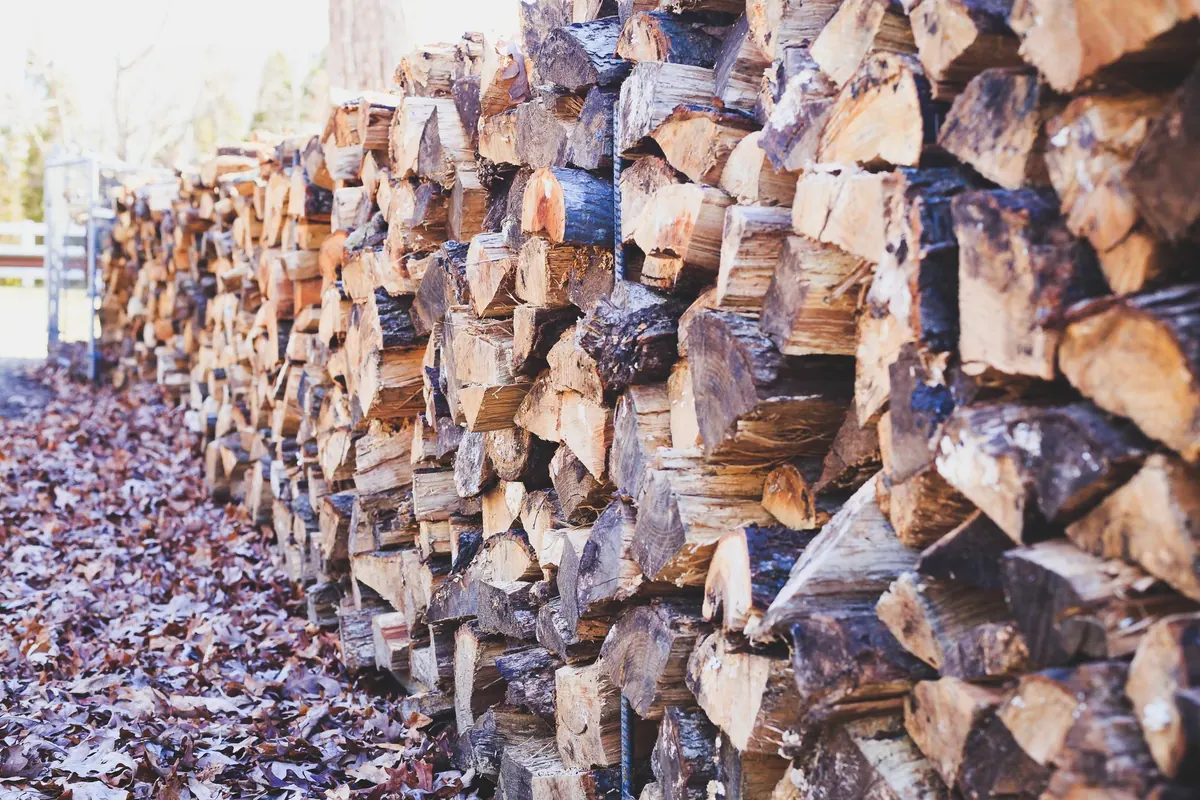
Everything else is wasted effort if the wood is damp. Unseasoned logs spend most of their energy boiling off water, which cools the fire and sends unburnt particles up the flue as smoke. Seasoned hardwood — ash, oak, beech, birch — split, stacked and left under cover with air moving through it for at least a year, is what you want.
Two quick tests before you build. Knock two logs together: seasoned wood rings and feels light for its size, while damp wood thuds and feels heavy. If you keep a moisture meter, aim for a reading under about 20 per cent, taken on a freshly split face rather than the outside of the log.
Kindling matters just as much. Thin, dry sticks — pencil-thin up to finger-thick — catch quickly and build heat fast. Skip glossy magazine paper, and never burn anything coated or heavily printed. Plain newspaper twisted loosely, plus a natural firelighter, is plenty.
The Top-Down Method, Step by Step
This is the approach that produces the least smoke, because the flames work downwards into the fuel and are already hot by the time they reach the bigger logs.
- Clear the grate or stove. Leave a thin layer of ash, roughly a centimetre, as it insulates the base and helps hold heat. Empty the rest into a metal container.
- Lay two or three medium splits on the bottom, side by side, with a little space between them for air.
- Stack kindling on top in a loose criss-cross or a small pyramid. Not packed tight — air needs to move through the gaps.
- Add the firelighter and a twist of newspaper at the very top of the pile.
- Open the air controls fully before you strike a match — primary and secondary vents, plus the damper if you have one.
- Light the top, close the door or draw a fire screen across, and leave the controls open for five to ten minutes.
- Add logs once the kindling is well alight and embers are forming. One or two at a time, not a full armful.
Resist the urge to poke and rearrange. A fire left alone to establish itself draws better than one that is constantly disturbed.
Why Smoke Happens
Smoke is unburnt fuel. It means the fire is not hot enough, or the gases leaving the wood are not meeting enough oxygen. The usual culprits:
- Wet or unseasoned wood — the classic cause.
- A cold flue. On a cold morning the chimney is full of heavy air that refuses to rise. Warm it first with a twist of burning newspaper held near the opening before you build the fire.
- Too little air at the start, or controls closed down before the fire has caught.
- Too much fuel too soon. A stack of logs on a small flame chokes the burn.
- A blocked or dirty flue. Soot and nests restrict the draught, and annual sweeping is not optional.
If smoke spills into the room rather than rising, stop adding fuel and open the air controls. A fire that back-puffs repeatedly needs a sweep and a proper look at the flue.
Airflow: The Controls Most People Misuse
Two controls, two jobs. The primary air, usually the lower vent, feeds the fire from below and governs how fiercely it burns. Secondary air, the upper vent, feeds air above the fuel and burns off the gases that would otherwise leave as smoke. On most stoves, secondary air should stay open even when the fire is settled.
Your aim is a bright, steady flame and no dark, rolling smoke from the chimney. Once the fire is established, close the primary vent in stages until the flames settle but do not vanish. If the glass blackens quickly, you have shut the air down too far.
Open fires and stoves behave differently
An open fire relies on the room's air and the height of the chimney to draw. It will always be less efficient than a stove and will send more heat up the flue. A stove is a controlled box: seal the door, manage the vents, and you can run a fire that burns hot and slow with very little visible smoke. Whichever you have, the principle is the same — build a hot fire first, then reduce the air. Never the other way round.
Safe Habits Worth Building
- Fit a carbon monoxide alarm in the same room as any solid fuel appliance, and test it regularly.
- Have the chimney swept by a registered sweep at least once a year, and more often if you burn heavily.
- Use a fire screen with an open fire, and never leave a fire unattended with children or pets nearby.
- Keep spare logs, kindling and paper well back from the hearth once the fire is lit.
- Never use petrol, paraffin or lighter fluid to speed things up. Dry kindling and a firelighter are enough.
- Let ashes cool for at least a day in a metal bin with a lid before disposing of them.
If you rent your home or live in a flat with a shared flue, check what is permitted before installing or using a solid fuel appliance, as building regulations and lease terms can both apply. When in doubt, ask a qualified installer or your local authority.
A Routine That Pays Off
Build the fire the same way every time and it becomes second nature. Lay the logs, stack the kindling, light the top, open the air, wait. Give it ten minutes of your attention rather than ten minutes of fiddling.
Keep a day's worth of dry wood indoors, not a winter's worth, and store the rest outside under cover with airflow around it. Sweep the flue before the season starts rather than after the first smoky evening. Do those things and a wood fire becomes what it should be: quiet, warm and almost entirely without smoke.
Photo: zdenet / Pixabay