



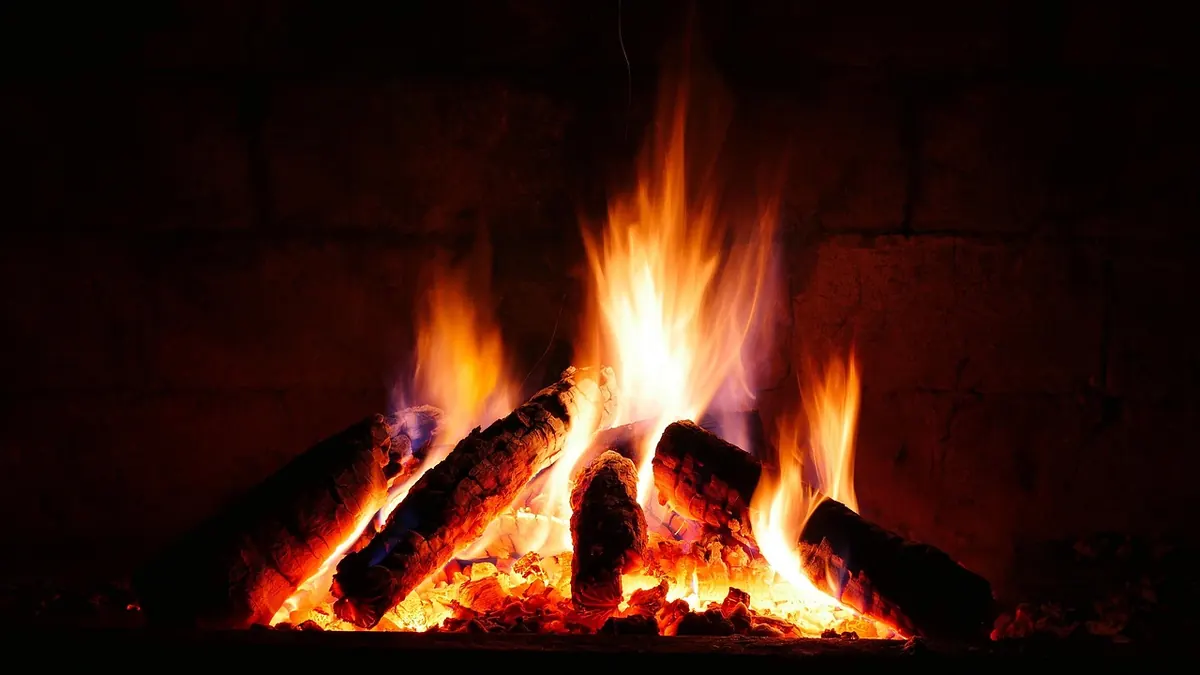
There is a particular pleasure in the first fire of autumn: the smell of it, the crack of kindling, the way a room settles once the flames take hold. There is also a particular disappointment when that first fire smokes into the room, or when the sweep finds a nest in the flue you had forgotten about since spring. A couple of hours in September or October saves a great deal of trouble in December. What follows is a sensible order of work for getting an open fire, wood burner or stove ready for the colder months.
Start With the Chimney
Sweeping comes first, because everything else depends on a clear flue. Soot is easy enough to brush away, but the real problem is tar and creosote — the sticky, flammable deposit that builds up when wood burns slowly and damply. It narrows the flue, dulls the draw, and in sufficient quantity it will burn, which is not a fire you want in your chimney.
As a general rule, a chimney serving an open fire or a wood burner should be swept at least once a year, and twice if the appliance is used daily through the winter. Burn unseasoned wood, or run the stove with the air controls shut down most of the time, and you can expect to sweep more often than that.
Use a registered sweep rather than a set of rods from the shed. They will brush the flue, look at the liner or parging, check the pot and tell you plainly whether anything needs repairing. Call in late summer if you can: diaries fill the moment the first cold snap is forecast.
Book a sweep promptly if you notice any of the following:
- Smoke spilling into the room as you light up, or a fire that is slow to catch
- A draught that reverses on windy days, pushing a smell of soot into the room
- Flakes of soot landing on the hearth, or a smoke smell in warm weather
- Twigs, feathers or nesting material in the grate or on the hearth
- More than a year since the last visit
If a fire smokes, the flue is telling you something. Find the cause before you light another one.
Inside the Fireplace: Brick, Iron and Ash
With the flue clear, work downwards. Let the fire go out completely, clear the ash, and then look properly at the fabric of the fireplace.
Brickwork, mortar and fireback
Tap the brickwork around the opening and the chimney breast above it. Loose bricks, crumbling mortar or a hollow sound mean the chimney needs attention before it is used again. Cast-iron firebacks and firebricks should be checked for cracks; a hairline is usually fine, but a crack wide enough to let heat through to the surrounding brickwork is not. The same applies to the throat plate or register plate on a stove: it should sit tight, with no gaps where fumes can escape into the room.
Grate, damper and tools
Check the grate for warped bars, the ash pan for holes, and the damper or air slide for smooth movement. Wire-brush rust off ironwork and give it a thin coat of stove blacking or heat-resistant paint — outdoors or with a window wide open, and away from anything that might take offence at the smell. Replace a cracked firebrick rather than turning it round and hoping. A fire guard or spark screen that has rusted through is worth replacing too, particularly in a house with children or pets.
Ashes and the hearth
Old ash holds heat for a startlingly long time. Leave it at least twenty-four hours, ideally forty-eight, then move it into a metal container with a lid and put it outside on something non-combustible. Never into a plastic bin or a paper bag.
Look at the hearth itself: cracked stone, lifted tiles, gaps where the hearth meets the surround. Small cosmetic damage can often be left, but if you are altering the opening, fitting a new stove or replacing the hearth, that work falls under building regulations. Use a registered installer and check the requirements before you start.
Outside the House: Stack, Pots and Cowls
You can learn a lot from the garden, with binoculars and without a ladder. Look at the chimney stack for missing or cracked pots, crumbling mortar and the flaunching — the mortar cap that holds the pot in place. Check whether the cowl or bird guard has come loose, and whether there is staining that suggests water is getting in.
Ivy, moss and self-seeded shrubs growing out of the stack all trap damp, and a branch within a metre or two of the pot will drop leaves and debris straight down the flue. Any repair at height is a job for someone with the right access and insurance; this is not the autumn to rediscover a head for ladders.
Air, Alarms and Clearances
A fire needs air to burn safely, so check that airbricks, trickle vents and window vents are clear and not painted shut. If you use a chimney balloon or draught excluder through the warmer months, take it out now and put it somewhere you will remember.
Test the smoke alarms and fit an audible carbon monoxide alarm if you burn solid fuel. If the alarm sounds, or if anyone in the house develops headaches, nausea or drowsiness when a fire is lit, put the fire out, ventilate the room, leave the building and seek medical advice. Have the appliance and flue inspected before it is used again. For anything you are unsure about, a qualified heating engineer or registered sweep is the right call.
Finally, clear the space around the fire. Furniture, curtains, log baskets, kindling and drying laundry should all sit well back from the opening, and a fire guard is worth having even in a household of sensible adults.
Fuel, Storage and the Woodpile
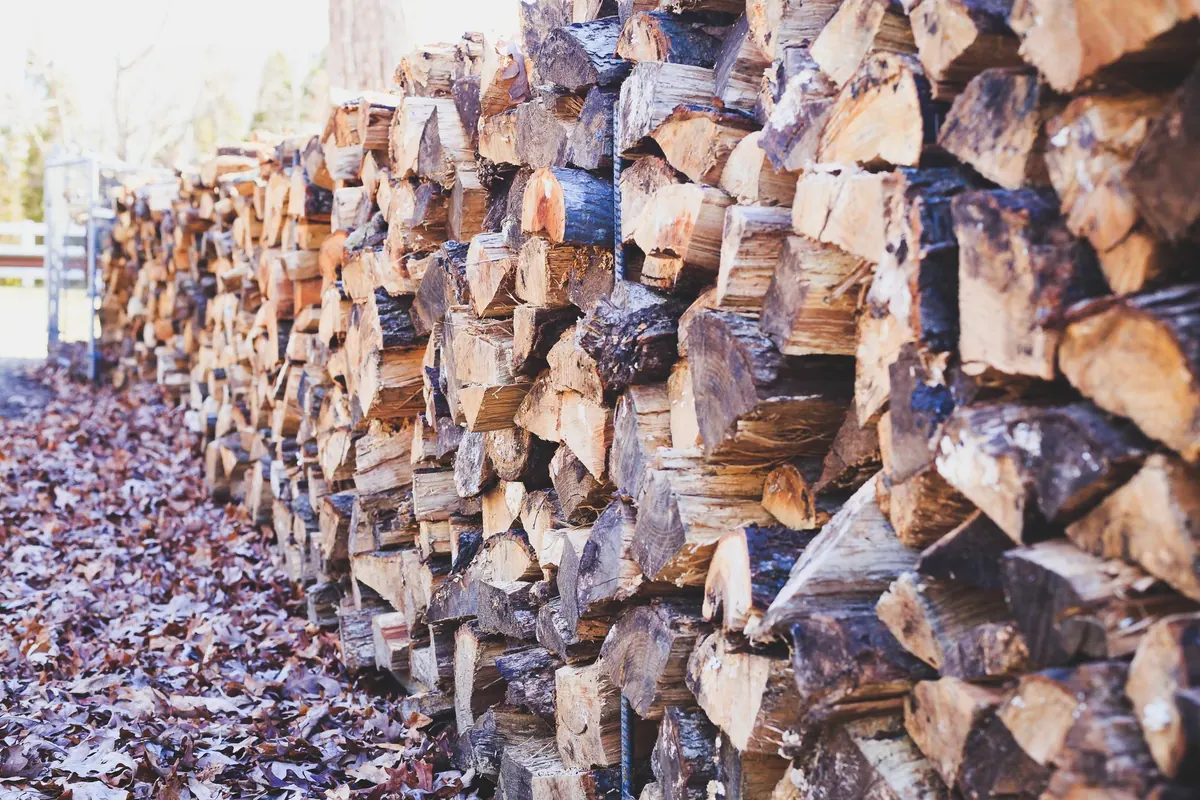
Wet wood is the single most common cause of a poorly performing fire. Seasoned logs should read below about twenty per cent moisture on a cheap meter; kiln-dried logs are reliably dry, and home-seasoned wood needs splitting, stacking and covering for a year or more. Do not burn painted or treated timber, MDF, driftwood or unknown pallet wood — it coats the flue and smells dreadful.
Store logs off the ground, with the top covered and the sides open to the wind, and not stacked against the house wall. Bring in a day or two's worth at a time so it can finish drying by the hearth. If you burn coal, check whether you are in a smoke control area and use an authorised smokeless fuel. Coal ash is not garden ash; keep it out of the compost.
The First Fire: A Test Run
Light a small fire on a mild, still evening in early autumn, while a problem is merely irritating rather than an emergency. Work through it in this order:
- Open the air controls fully and check the draw by holding a lit spill or twist of newspaper near the opening. It should be pulled upwards, not pushed back into the room.
- Light a small kindling fire to warm the flue, especially on a cold, damp day when the chimney is filled with heavy air.
- Add one or two small splits once the kindling is well alight, and keep the fire bright rather than smouldering.
- Watch for smoke spilling into the room, and note how quickly the stove glass clouds up.
- Let the fire burn down, then leave the ash to cool overnight before clearing it.
If smoke spills, a slightly open window can help a stubborn flue, but if it keeps happening, stop and get the chimney checked. Note the date of your sweep somewhere you will find it again, and keep a rough record of how much wood you get through — it is the easiest way to judge when the next sweep is due. An afternoon spent on all of this in September buys you a winter of quiet, reliable fires.
Photo: RelaxVideos / Pixabay